
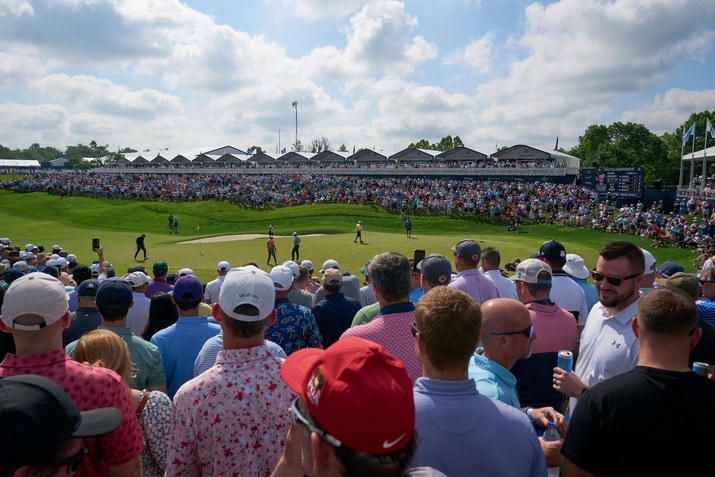
The modern golf schedule is essentially a year‑round global system rather than a single season with clear start and finish points. Professional tours operate across continents, climates, and time zones, creating a continuous competitive calendar that allows players, fans, broadcasters, and sponsors to follow elite golf almost every week of the year. While each tour has its own structure and priorities, most follow similar patterns in how tournaments are spaced, how seasons are organised, and how events are staged.
Upcoming Golf Tournaments
| Start Date | Tournament / Course | Tour |
|---|---|---|
| 2026-09-16 | BMW PGA Championship Wentworth GC |
DP World Tour |
| 2026-09-16 | Biltmore Championship Asheville The Cliffs At Walnut Cove |
USPGA Tour |
| 2026-09-24 | Open de France Le Golf National |
DP World Tour |
| 2026-09-24 | The Presidents Cup Medinah Country Club |
USPGA Tour |
| 2026-09-25 | NW Arkansas Championship Pinnacle Country Club |
USLPGA Tour |
| 2026-09-25 | Ladies Italian Open Golf Club Milano |
Ladies European Tour |
| 2026-10-01 | Alfred Dunhill Links Championship Carnoustie GC, Kingsbarns Golf Links, St Andrews |
DP World Tour |
| 2026-10-01 | LOTTE Championship Hoakalei CC |
USLPGA Tour |
| 2026-10-01 | Bank of Utah Championship Black Desert Resort GC |
USPGA Tour |
| 2026-10-01 | Ladies Open de France Golf Barriere Deauville |
Ladies European Tour |
| 2026-10-08 | Open de Espana Club de Campo Villa de Madrid |
DP World Tour |
| 2026-10-08 | Baycurrent Classic Yokohama Country Club |
USPGA Tour |
| 2026-10-08 | Korea Championship New Korea CC |
Ladies European Tour |
| 2026-10-15 | India Championship Delhi GC |
DP World Tour |
| 2026-10-15 | Buick LPGA Shanghai |
USLPGA Tour |
| 2026-10-22 | Genesis Championship |
DP World Tour |
| 2026-10-22 | BMW Ladies Championship Pine Beach Golf Links |
USLPGA Tour |
| 2026-10-22 | Bermuda Championship Port Royal GC |
USPGA Tour |
| 2026-10-29 | Maybank Championship Kuala Lumpur Golf and CC |
USLPGA Tour |
| 2026-10-29 | Mexico Open Vidanta Vallarta |
USPGA Tour |
Is There a Golf Season or an Off-Season?
 Unlike many traditional sports, such as football, golf does not operate with a strict on‑season and off‑season. Instead, the professional game runs on a rolling calendar. While there are quieter periods, there is almost always a competitive professional golf tournament happening somewhere in the world, with only a brief quiet period around late December.
Most major tours operate nearly year-round rather than concentrating on a specific season. The PGA Tour, for example, runs events every month of the year, though the competitive calendar has distinct phases with the regular season running from January through to mid-August, followed by playoffs.
The DP World Tour – also known as the European Tour – similarly operates across almost the entire calendar year, hosting events globally. However, the density and prestige of tournaments vary throughout the year, with the most high-profile events concentrated between spring and early autumn. International events, secondary tours, exhibition tournaments, and emerging leagues ensure that there is competitive golf happening somewhere almost continuously.
Players often create their own personal “off‑seasons” by taking rest periods rather than relying on a formal break in the calendar. This flexibility allows golfers to manage workload, travel fatigue, and injury risk while still maintaining ranking points and competitive sharpness.
When Do Professional Golf Seasons Typically Run?
Most professional golf seasons follow a similar structure:
- Early year (January to March): Strong start to the calendar with high‑profile events, often in warmer climates. Tours use this period to build momentum and rankings
- Spring to summer (April to July): Peak competitive period. This is when the most important tournaments take place, including major championships and flagship tour events
- Late summer to autumn (August to October): Regular season finales, playoffs, and ranking-based championships
- Late autumn to winter (November to December): Reduced schedules, international events, exhibition tournaments, and limited‑field competitions
This structure allows tours to maintain viewer interest throughout the year while giving players natural opportunities for recovery.
The Four Major Championships
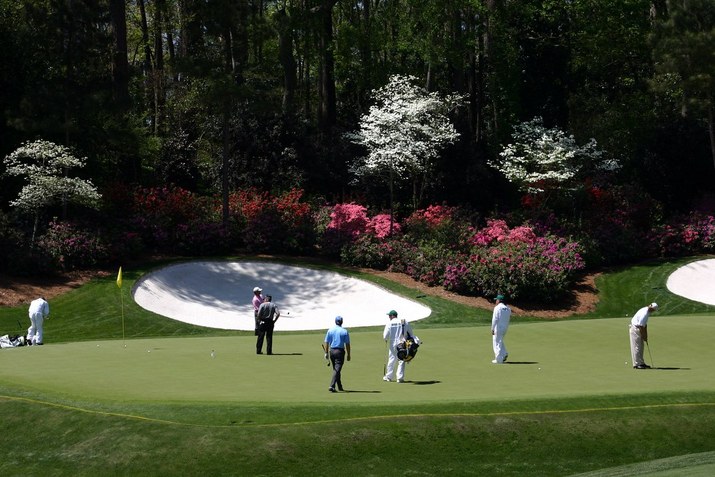
The majors, spaced throughout the spring/summer to create natural focal points in the golf season, are as follows: The Masters (April), PGA Championship (May), US Open (June), Open Championship (July). These tournaments carry the most prestige, attract the strongest fields, and represent the highest achievements in the sport. The best players will shape their season schedule around peaking for these four events.
How Long Is a Typical Golf Tournament?
Most professional golf tournaments follow a standard weekly structure:
- Monday: Arrival, course setup, media duties, and light practice
- Tuesday/Wednesday: Practice rounds and pro‑am events
- Thursday: Tournament round one
- Friday: Tournament round two and cut
- Saturday: Third round
- Sunday: Final round and winner decided
Depending on the nature of the event, how far away it is, and the circumstances of the players themselves, golfers may decide to arrive a bit sooner or later, but Monday is a fairly typical arrival day.
This four‑day competitive format is the most common structure in professional golf. Some events use modified formats, such as limited‑field tournaments, team events, or shorter competitions, but the Thursday‑to‑Sunday model remains the standard.
Since its inception in 2022, LIV events have been the most notable exception, featuring three-day tournaments that typically ran from Friday to Sunday. However, starting in 2026, LIV announced a switch to the standard 72-hole, four-day format, running from Thursday to Sunday. The only exception to this structure is February’s LIV Golf Riyadh event, which unusually runs from Wednesday to Saturday.
This generally predictable structure helps fans, broadcasters, and organisers plan coverage, while players can manage travel and preparation efficiently.
How Golf Schedules Are Structured
Golf schedules are built around several key principles:
- Geographical flow: Events are grouped by region to reduce long‑distance travel
- Climate planning: Cold‑weather regions host events in warmer months
- Ranking systems: Tournaments are placed to support qualification paths and point systems
- Broadcasting windows: Prime viewing times influence scheduling
- Commercial priorities: Sponsor commitments and host venues shape placement
This creates logical clusters of tournaments that move across regions rather than jumping randomly between countries.
Major Professional Golf Tours

Professional golf is organised across multiple tours, each with its own schedule, format, and global role.
PGA Tour
The PGA Tour is the primary professional golf tour in North America and the most commercially influential tour in the world. Its season runs on a calendar-year structure, but it has a regular season played from January to August, followed by the FedEx Cup Playoffs in late summer and a FedEx Cup Fall running through autumn.
It features weekly tournaments, major championships within its schedule, elite invitationals, and season‑long ranking systems. The PGA Tour schedule forms the backbone of the global golf calendar, with many international players prioritising its events.
DP World Tour
Formerly known as the European Tour, the DP World Tour operates across Europe, the Middle East, Africa, Asia, and Australasia. It is truly global in structure and runs almost year‑round. Its schedule is built around international travel clusters, creating regional swings of tournaments rather than single, isolated events. This makes it one of the most geographically diverse tours in professional golf.
LIV Golf
Saudi-backed LIV Golf features a limited schedule of events (13 in 2026) running from February to August. The tour initially ran 54-hole tournaments over three days as part of its effort to create a faster-paced, more compact format that would differentiate it from established pro golf. However, from 2026, LIV extended its events to the traditional 72-hole, four-day structure as it sought to qualify for world ranking points.
Other Professional Tours
In addition to the major tours, professional golf includes:
- Development tours for emerging players
- Regional tours across Asia, Africa, and South America
- Women’s professional tours with their own global calendars
- Senior tours for veteran professionals
These tours operate alongside the main circuits, creating a layered global structure of competition. Across the Ladies European Tour and the LPGA, there are over 60 events, adding a great deal of high-level golf to the annual calendar.
A Year-Round Sport
A golf schedule is not a simple calendar with a fixed start and end date, like you get with a football league. It is a global system that operates almost continuously throughout the year. While most major tours have peak seasons and relative lulls (particularly around the festive period), professional golf never fully stops.